ATSHA204A-MAHDA-T
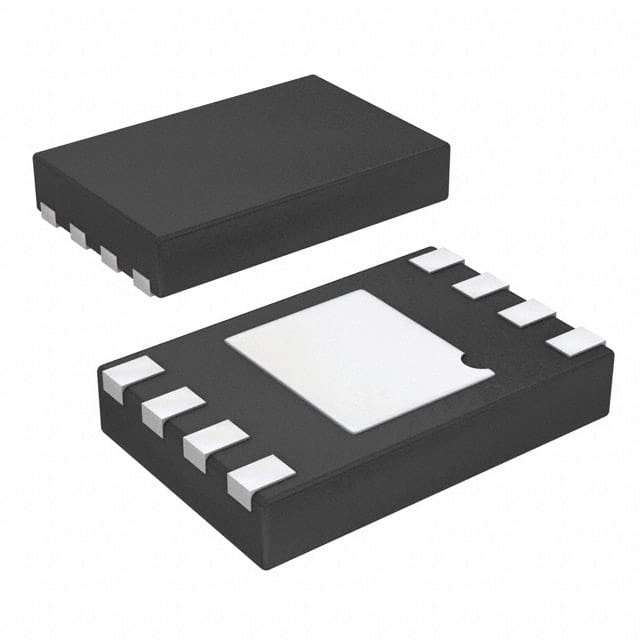
IC AUTHENTICATION CHIP 8-UDFN
Your reliable partner for semiconductor solutions. Flychip supports customers from R&D to mass production with electronic component supply, BOM sourcing, PCB, SMT and PCBA services.
- 20+
- Years Component Supply
- BOM
- Multi-Part Sourcing
- PCBA
- PCB / SMT Support
- Part No.:
- ATSHA204A-MAHDA-T
- Manufacturer:
- Microchip Technology
- Category:
- Specialized ICs
- Package:
- 8-UFDFN Exposed Pad
- Datasheet:
- ATSHA204A-MAHDA-T.pdf
- Description:
- IC AUTHENTICATION CHIP 8-UDFN
- Quantity:


-
Quality Control
Supplier review, channel management and product verification before delivery.
-
Global Channels
International chip manufacturer and well-known distributor sourcing network.
-
BOM to Production
Component supply support from R&D prototype to mass production.
-
PCB / SMT / PCBA
Integrated manufacturing support to accelerate product development and delivery.
Product Details
ATSHA204A-MAHDA-T Overview
ATSHA204A-MAHDA-T is a hardware-based symmetric authentication and secure key-storage device manufactured by Microchip Technology. It belongs to the Microchip CryptoAuthentication family and is designed to protect secret keys, authenticate accessories or consumables, verify firmware-related data and add hardware-backed security to embedded systems.
The device uses the SHA-256 cryptographic hash algorithm together with MAC and HMAC operations. Secret keys can remain inside protected hardware memory instead of being exposed to the host microcontroller, external EEPROM or application software. This architecture helps reduce the risk of key extraction through ordinary firmware inspection, memory copying or bus monitoring.
ATSHA204A-MAHDA-T communicates with a host controller through an I²C interface operating at speeds up to 1 MHz. It is supplied in a compact 8-pad UDFN package measuring approximately 2 mm × 3 mm × 0.6 mm, making it suitable for authentication modules, embedded controllers, replaceable accessories and other space-constrained designs.
The full ordering number identifies several important product characteristics:
- ATSHA204A: SHA-256 hardware authentication and secure key-storage device.
- MAH: 8-pad, thermally enhanced UDFN package with a 2 mm × 3 mm body.
- DA: I²C communication interface.
- T: Large tape-and-reel packaging, specified as 15,000 devices per reel for this package option.
A typical ATSHA204A-MAHDA-T application places the device beside a host microcontroller or processor. The host sends a challenge over I²C, the ATSHA204A combines that challenge with a protected internal key and returns a SHA-256-based response. The host or a remote server then checks that response without requiring the client-side secret key to leave the secure device.
Technical Context
ATSHA204A-MAHDA-T normally operates as a secure authentication component within a larger embedded system. It is not a general-purpose microcontroller and does not replace the main processor. Instead, it provides protected cryptographic functions that the processor can call when it needs to authenticate hardware, protect sensitive data or confirm that a connected client is genuine.
In a basic challenge-response design, the system contains two logical sides:
- Client side: The product, accessory, module, spare part or consumable being authenticated contains the ATSHA204A-MAHDA-T and a protected secret key.
- Host side: A controller, secure server or second trusted authentication device verifies the response using the corresponding secret information.
The host first creates a challenge, which may include a newly generated random value. The ATSHA204A-MAHDA-T processes the challenge with a selected internal 256-bit key and produces a message authentication code. Because the secret key is not transmitted over the I²C bus, an observer who captures a successful exchange should not be able to recover the key from the response alone.
The internal random number generator can produce a 32-byte random number. When this random value is combined with host-supplied information to form a nonce, subsequent authentication operations can resist simple replay attacks in which an attacker records and retransmits an earlier valid response.
The device can also support protected reads and writes to configured memory slots. Access rules are defined in the Configuration zone and become effective after the appropriate memory zones are locked. After locking, selected secret slots can be configured so that their contents cannot be read directly and can only participate in approved cryptographic operations.
Correct personalization is critical. The security of the final system depends not only on the IC, but also on:
- How secret keys are generated.
- How keys are provisioned into each device.
- Whether keys are unique or shared across products.
- How the Configuration and Data zones are locked.
- How the host verifies authentication responses.
- How failed authentication attempts are handled.
- Whether manufacturing and provisioning systems protect root secrets.
Simply placing ATSHA204A-MAHDA-T on a PCB does not automatically create a secure product. Engineers must design the authentication protocol, memory configuration, key hierarchy and provisioning process as part of the complete security architecture.
Key Specifications
| Parameter | Value | Practical Design Meaning |
|---|---|---|
| Security Algorithm | SHA-256 with MAC and HMAC support | Allows the device to create cryptographic authentication responses using protected symmetric keys without sending those keys to the host over the I²C bus. |
| Secret Key Length | 256 bits | Provides full-length SHA-256 keys for challenge-response authentication, data protection and key-derivation operations. |
| Key and Data Slots | 16 slots, 32 bytes per slot | Provides up to 16 configurable 256-bit storage locations for secret keys, calibration records, model identifiers, protected data or other application information. |
| Total EEPROM Organization | 512-byte Data zone, 88-byte Configuration zone and 64-byte OTP zone | Separates protected keys and application data from security configuration and one-time-programmable information, allowing different access policies for each area. |
| Unique Serial Number | 72 bits, 9 bytes | Gives every device a manufacturer-programmed unique identity that can be included in authentication calculations and used to support device-specific key strategies. |
| Random Number Generator | 32-byte hardware-generated random output | Supports nonce generation and challenge-response protocols that are less vulnerable to replaying a previously captured transaction. |
| Host Interface | I²C, up to 1 MHz | Allows integration with common microcontrollers using standard SDA and SCL signals while supporting relatively fast command and response transfers. |
| Supply Voltage | 2.0V to 5.5V | Supports common embedded-system power rails, including many 3.3V and 5V systems, without requiring a separate regulated supply solely for the authentication device. |
| Communication Voltage Range | 1.8V to 5.5V | Provides flexibility when the host I/O voltage differs from the device supply, but the input thresholds and pull-up arrangement must be configured correctly. |
| Sleep Current | 30 nA typical; 150 nA maximum under specified low-voltage and temperature conditions | Allows the device to remain connected in battery-powered or always-present accessories while adding very little current when placed into sleep mode. |
| Operating Temperature | -40°C to +85°C | Supports many industrial, commercial, portable and embedded-system environments when the PCB and enclosure remain within the specified temperature range. |
| Package | 8-pad UDFN, approximately 2 mm × 3 mm × 0.6 mm | Reduces PCB area in compact modules, authentication tags, replaceable accessories and high-density embedded designs. |
ATSHA204A-MAHDA-T Memory Organization
The internal EEPROM contains three main zones. Each zone serves a different role in the security design and must be configured carefully before production locking.
Data Zone
The Data zone contains 512 bytes divided into 16 slots. Each slot contains 32 bytes, matching the 256-bit key length used by the device.
Depending on the programmed SlotConfig settings, a slot may be used for:
- A secret authentication key.
- A parent or transport key.
- Calibration information.
- A product model number.
- Protected configuration data.
- Usage or consumption information.
- Read-only application data.
- Data that requires encrypted or authenticated access.
For maximum key protection, a secret slot should normally be configured so that direct reads are prohibited after the Data zone is locked. The key can then be used internally by supported commands without exposing its value through an ordinary read operation.
Configuration Zone
The 88-byte Configuration zone contains the unique serial number, I²C settings, slot permissions, key relationships, access-control options and lock information.
The Configuration zone determines how each Data-zone slot behaves. An incorrect configuration can weaken security or prevent the device from operating as intended. Engineers should create and review a documented configuration template before programming production devices.
Once the Configuration zone is locked, its programmable security settings cannot be freely changed. Production software should therefore verify the complete configuration and calculate the appropriate lock validation value before issuing the permanent Lock command.
OTP Zone
The 64-byte OTP zone can store fixed information or one-time-programmable usage data. Depending on its configured mode, it may be used for read-only product information or one-way consumption tracking.
Potential uses include:
- Manufacturing identifiers.
- Product option information.
- Limited-use records.
- Consumable status data.
- Fixed values included in authentication calculations.
Because OTP operations can be irreversible after configuration and locking, application software must not write to this area without a validated provisioning procedure.
ATSHA204A-MAHDA-T Pinout and Package Design
The ATSHA204A-MAHDA-T pinout is provided in an 8-pad UDFN package. The package uses two active communication pins, one supply pin, one ground pin and four no-connect pads.
| Pad | Pin Name | Function and PCB Guidance |
|---|---|---|
| 1 | NC | No internal connection. Do not use this pad for signal routing or as a convenient PCB connection point. |
| 2 | NC | No internal connection. Follow the latest Microchip package and land-pattern documentation. |
| 3 | NC | No internal connection. Keep the pad electrically isolated unless the latest official package drawing states otherwise. |
| 4 | GND | Device ground. Connect through a short, low-impedance path to the local ground plane and to the ground side of the bypass capacitor. |
| 5 | SDA | Bidirectional I²C serial-data connection. The output is open-drain, so SDA requires an external pull-up resistor to the selected communication rail. |
| 6 | SCL | I²C serial-clock input. Connect to the host clock signal and ensure that the line is always driven or correctly pulled to a valid logic state. |
| 7 | NC | No internal connection. Do not assign this pad to another signal. |
| 8 | VCC | Power-supply input. Operate between 2.0V and 5.5V and place a local bypass capacitor close to VCC and GND for reliable operation. |
I²C Pull-Up and Logic-Level Design
SDA uses an open-drain output and therefore requires an external pull-up resistor. The resistor value should be selected according to the communication voltage, bus capacitance, target clock speed and the sink-current capability of all devices on the bus.
Although the interface supports clock rates up to 1 MHz, a design does not automatically meet 1 MHz timing simply because the controller is configured for that speed. PCB capacitance, connector length, pull-up resistance and the number of connected devices affect rise time and signal quality.
The SCL line is an input to ATSHA204A-MAHDA-T. It must be driven to valid high and low levels by the host or supported by an appropriate pull-up arrangement. Floating SDA or SCL signals can cause unpredictable communication behavior and unnecessary current consumption.
The Configuration-zone TTLenable setting influences active-mode input thresholds. When the device VCC and the bus pull-up use the same voltage, the threshold setting can be configured to track the supply. When the bus voltage and VCC differ, the fixed-threshold option and all minimum and maximum input levels must be reviewed against the official electrical specifications.
Bypass Capacitor Placement
Microchip recommends using a bypass capacitor for best reliability. Place the capacitor close to the VCC and GND pads, with short traces and a direct ground return.
Authentication commands cause short periods of active current while the SHA engine and EEPROM circuitry operate. A nearby capacitor helps reduce local supply disturbance, especially when the device is mounted on a removable accessory, connected through a cable or powered from a high-impedance rail.
UDFN PCB Layout
The MAH package is a compact UDFN device. The PCB footprint, solder-mask openings, paste pattern and assembly process should follow the latest Microchip package drawing rather than a generic UDFN footprint.
Design considerations include:
- Verify pad numbering from the top-view package drawing.
- Keep SDA and SCL routing short where practical.
- Avoid routing noisy switching nodes beside the I²C traces.
- Provide a stable ground connection.
- Place the bypass capacitor close to pads 8 and 4.
- Confirm solder-paste volume for the small package geometry.
- Inspect first production assemblies for opens, bridges and package rotation.
- Use the latest manufacturer-recommended land pattern before releasing the PCB.
Key Security Features
- Hardware-protected 256-bit key storage: Secret keys can be stored in configured EEPROM slots and used internally for authentication, reducing exposure to firmware extraction or ordinary memory reads.
- SHA-256 MAC and HMAC operations: The internal cryptographic engine calculates authentication responses without requiring the main processor to handle the client secret directly.
- Guaranteed unique 72-bit serial number: Each device includes a unique identity that can be incorporated into diversified-key systems, product registration and anti-cloning protocols.
- Hardware random number generator: The 32-byte random output can be used to construct fresh nonces, helping prevent previously recorded authentication responses from being accepted again.
- Configurable memory permissions: Individual data slots can be assigned different read, write, encryption and authentication policies to match the security requirements of each stored value.
- Permanent zone locking: Configuration and Data-zone settings can be locked after personalization so that protected keys and access rules cannot be casually changed in the field.
- Physical attack countermeasures: The device includes mechanisms such as an active shield, internal memory encryption, secure test modes, glitch protection and voltage and temperature tamper detection.
- Ultra-low sleep current: The device can remain installed in battery-powered accessories and wake only when authentication is required.
- Compact I²C implementation: The 8-pad UDFN package provides hardware authentication in applications where board space is limited.
ATSHA204A-MAHDA-T Applications
Consumable and Accessory AuthenticationUse scenario: Printer cartridges, replaceable filters, batteries, electronic modules and other consumable or removable products. Device role: ATSHA204A-MAHDA-T stores a protected client key and calculates a response when the host product sends an authentication challenge. Design value: The host can distinguish an expected accessory from a simple copied serial EEPROM because a valid response requires knowledge of the protected secret key. The authentication result can be combined with product-specific logic, such as confirming compatibility, identifying the accessory model or enabling an approved operating mode. |

Firmware and Boot VerificationUse scenario: Embedded controllers that need to validate firmware-related information or authorize protected code and media. Device role: The secure element stores an authentication key and participates in a SHA-256 challenge-response process used by the host during startup or software validation. Design value: Moving the secret outside normal processor flash reduces the chance that copying the application image alone will reveal the authentication key. ATSHA204A-MAHDA-T is a cryptographic building block rather than a complete boot controller. The host firmware must still define the verification sequence and enforce a safe response when authentication fails. |

Industrial Module and Spare-Part AuthenticationUse scenario: Replaceable sensor heads, control modules, maintenance parts and electronic daughter cards used in industrial equipment. Device role: The IC provides each installed module with a secure identity and cryptographic response that can be checked by the main controller. Design value: The system can verify that a connected module contains the expected credentials before loading calibration values, activating protected functions or accepting sensitive data. The 16 configurable data slots can also hold protected calibration or model information when the slot permissions are designed and locked correctly. |

Medical Disposable and Limited-Use EquipmentUse scenario: Disposable sensors, replaceable treatment components and controlled-use medical accessories. Device role: ATSHA204A-MAHDA-T can authenticate the accessory and store protected or one-time-programmable information related to its identity or usage status. Design value: Hardware-backed authentication can help the main equipment confirm that the connected accessory presents valid credentials before operation. Medical suitability, safety behavior and regulatory compliance must be validated at the complete system level. The authentication IC alone does not provide medical certification or guarantee accessory safety. |
ATSHA204A-MAHDA-T Authentication Flow
A simplified symmetric authentication sequence may follow these steps:
- The host wakes ATSHA204A-MAHDA-T from sleep.
- The host sends a fresh challenge or requests an internally generated random value.
- The device creates a nonce and stores the intermediate value internally.
- The host requests a MAC or HMAC operation using a selected secret slot.
- The device combines the challenge, secret key and configured internal data through SHA-256.
- The device returns the calculated digest over I²C.
- The host or remote server calculates the expected result using its protected copy or derivation of the secret.
- The system compares the two results and accepts or rejects the client.
- The host sends the device to sleep after the sequence is complete.
A secure production design should use a new challenge for each transaction. Reusing a fixed challenge reduces the value of the random-number and nonce mechanisms and may make captured responses easier to replay.
The host-side key must receive protection equal to or greater than the client key. Storing the complete shared secret as readable plaintext in ordinary host firmware can undermine the security gained by using the authentication device in the accessory.
Important Provisioning and Locking Considerations
ATSHA204A-MAHDA-T devices require personalization before they are used in production. The personalization stage normally programs the Configuration zone, one or more Data slots and any required OTP information.
A controlled provisioning process should include:
- Verification of the full ordering number and interface type.
- Reading and recording the unique serial number where required.
- Programming the approved Configuration-zone template.
- Writing keys or device-specific derived keys into selected slots.
- Programming permitted product information.
- Reading back all non-secret fields for verification.
- Testing authentication before locking.
- Locking the Configuration zone.
- Locking the Data and OTP zones according to the design.
- Repeating authentication after locking.
- Recording the provisioning result without exposing secret values.
Lock operations are permanent. A configuration error discovered after locking may make a device unusable or weaken the intended security policy. Production software should therefore separate development, validation and irreversible locking stages.
Default factory test data must not be treated as production security material. The desired configuration and key values should be written and verified before the corresponding zones are locked.
ATSHA204A-MAHDA-T Equivalent and Alternatives
An ATSHA204A-MAHDA-T equivalent should be selected according to the required cryptographic commands, interface, package, PCB footprint, provisioning process and existing firmware. Devices with similar descriptions are not necessarily direct replacements.
| Device | Main Technical Difference | Package Difference | Application Difference | Replacement Considerations |
|---|---|---|---|---|
| ATSHA204A-MAHDA-S | Uses the same ATSHA204A device, I²C interface and MAH UDFN package. The primary ordering difference is the reel option. | Same 8-pad 2 mm × 3 mm UDFN package | Suitable for the same electrical design and authentication firmware. | The S option is specified as a smaller 3,000-device reel, while the T option is a 15,000-device reel. Confirm availability and packaging requirements with the supplier. |
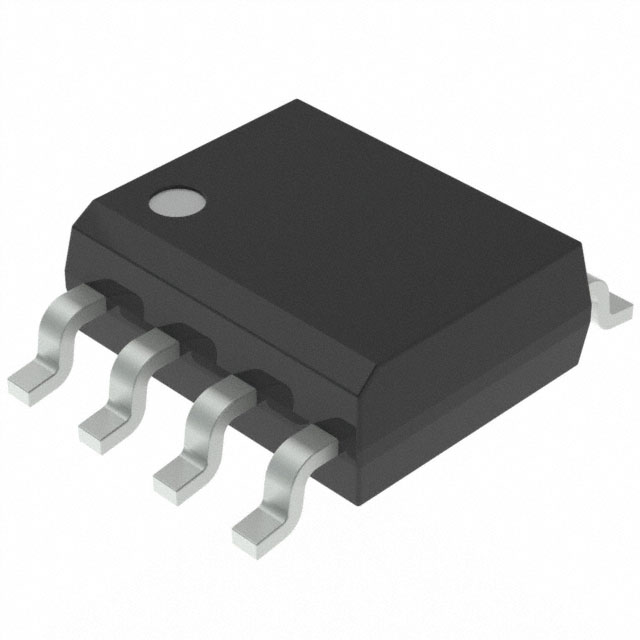
| ATSHA204A-SSHDA-T | Uses the same ATSHA204A family functions and I²C interface but has a different physical package. | 8-lead SOIC instead of 8-pad UDFN | May be easier to prototype, inspect or hand assemble when PCB space is less restricted. | It is not footprint compatible. The PCB must be redesigned, although much of the I²C communication and authentication software may remain applicable. |
| ATSHA204A-MAHCZ-T | Uses the Single-Wire Interface instead of I²C. | Same MAH 8-pad UDFN package family | Useful when reducing host GPIO or connector signals is more important than using a standard I²C bus. | It is not a communication-interface replacement. The host driver, wake sequence, timing and PCB signal usage must be changed and revalidated. |
ATSHA204A-MAHDA-T vs ATSHA204A-MAHCZ-T: ATSHA204A-MAHDA-T uses SDA and SCL for I²C communication at up to 1 MHz, while ATSHA204A-MAHCZ-T uses a UART-compatible Single-Wire Interface through SDA. The two options may share the same package body, but they require different communication firmware and interface design.
ATSHA204A-MAHDA-T vs ATSHA204A-SSHDA-T: Both ordering options use the I²C interface and the same core ATSHA204A security functions. The main difference is package size and PCB footprint. The UDFN version is better suited to compact designs, while the SOIC version can simplify prototyping and visual solder-joint inspection.
Selection advice: Use ATSHA204A-MAHDA-T when the existing system requires ATSHA204A symmetric authentication, a standard I²C interface and a compact UDFN footprint. Choose ATSHA204A-MAHDA-S when the same electrical device is required in a smaller reel quantity. Choose the SOIC version when board area is less important than easier assembly. Select the CZ version only when the system is intentionally designed for the Single-Wire protocol.
Before approving any replacement, verify:
- Exact cryptographic command compatibility.
- I²C or Single-Wire interface type.
- Package footprint and pad numbering.
- Supply and communication voltages.
- Existing Configuration-zone template.
- Key provisioning method.
- Host software and CryptoAuthentication library support.
- Zone-locking procedure.
- Production programming equipment.
Quality, ESD Handling and Traceability
ATSHA204A-MAHDA-T is a security IC and should be handled as an ESD-sensitive semiconductor. The official electrical data lists protection ratings above 4 kV for the Human Body Model and above 1 kV for the Charged Device Model, but normal ESD-controlled handling is still required.
Recommended handling practices include:
- Grounded workstations and operators.
- ESD-safe trays, reels and packaging.
- Controlled storage conditions.
- Verification of package orientation before placement.
- Inspection of the UDFN solder joints using appropriate production methods.
- Protection of programmed keys during personalization.
- Separation of blank, provisioned, locked and rejected devices.
Incoming material verification should confirm:
- Full part number: ATSHA204A-MAHDA-T.
- Manufacturer: Microchip Technology.
- Package: 8-pad UDFN.
- Interface option: I²C.
- Reel and label information.
- Date code and lot information.
- Moisture and handling information supplied with the material.
- Package marking and physical consistency.
Authentication devices may be shipped blank or with customer-specific provisioning, depending on the purchasing and programming arrangement. Buyers should confirm whether the required material is unprogrammed, preconfigured or personalized for a specific security project.
Claims about original sourcing, X-ray inspection, electrical testing, key injection or full traceability should only be made when those services have actually been performed and documented for the supplied production lot.
Availability and Purchasing Support
The T suffix in ATSHA204A-MAHDA-T identifies the large tape-and-reel option. The official ordering information specifies 15,000 devices per reel for this UDFN I²C version.
Current ATSHA204A-MAHDA-T stock, unit price, minimum order quantity, factory lead time and date-code range should be confirmed through a current supplier quotation. These conditions can change according to production schedules, allocation, regional inventory and programming requirements.
When requesting a quotation, provide:
- Required quantity.
- Requested delivery date.
- Acceptable date-code range.
- Full-reel or smaller-quantity requirement.
- Blank or provisioned-device requirement.
- Required traceability documentation.
- Target production location.
- Any approved alternative package options.
For a design replacement request, also provide the current PCB footprint, host microcontroller, I²C voltage, firmware library version and whether the existing devices have already been personalized with a proprietary key configuration.
About Microchip Technology
Microchip Technology develops microcontrollers, microprocessors, analog products, connectivity devices, timing components, memory products and embedded-security solutions. Its CryptoAuthentication portfolio provides hardware devices and supporting software for identity, authentication, key protection and embedded-system security.
ATSHA204A is focused on SHA-256 symmetric authentication and protected key storage. Designers requiring asymmetric cryptography, certificate storage, TLS-related functions or additional algorithms should compare the requirements of the complete security architecture with other devices in the Microchip secure-element portfolio.
For new designs, engineers should review the current Microchip product page, latest Datasheet revision, software-library support, product-change notices and long-term device recommendations before completing component approval.
Frequently Asked Questions
Where can I find the ATSHA204A-MAHDA-T datasheet download?
The ATSHA204A-MAHDA-T datasheet is included in the Microchip ATSHA204A CryptoAuthentication complete Datasheet. The document covers device organization, SHA-256 commands, memory configuration, I²C communication, electrical characteristics, package drawings and ordering information.
What is ATSHA204A-MAHDA-T used for?
ATSHA204A-MAHDA-T is used for symmetric hardware authentication, anti-cloning, accessory verification, protected key storage, firmware-related validation and controlled access to small amounts of secure data.
Does ATSHA204A-MAHDA-T use I²C or Single-Wire communication?
The DA code in ATSHA204A-MAHDA-T identifies the I²C interface. The device uses SDA and SCL and supports an I²C clock frequency of up to 1 MHz under the specified electrical and timing conditions.
What should be considered in the ATSHA204A-MAHDA-T pinout design?
The ATSHA204A-MAHDA-T pinout assigns pad 4 to GND, pad 5 to SDA, pad 6 to SCL and pad 8 to VCC. Pads 1, 2, 3 and 7 are no-connect pads. SDA requires an external pull-up resistor, and a local bypass capacitor should be placed close to VCC and GND.
What is the ATSHA204A-MAHDA-T supply-voltage range?
The device operates from a VCC supply between 2.0V and 5.5V. The communications voltage range is specified from 1.8V to 5.5V, but the input-threshold configuration and pull-up voltage must be checked carefully when the bus and device use different supply rails.
How many keys can ATSHA204A-MAHDA-T store?
The Data zone contains 16 slots of 32 bytes each. Each slot can hold one 256-bit key or other application data, depending on the programmed access configuration.
Can the secret keys be read from ATSHA204A-MAHDA-T?
A secret slot can be configured so that direct reads are prohibited after the Data zone is locked. The key can still be used internally by permitted authentication commands. Security depends on selecting and locking the correct SlotConfig settings.
Does ATSHA204A-MAHDA-T support asymmetric ECC authentication?
No. ATSHA204A is primarily a SHA-256 symmetric authentication device. Applications requiring ECDSA, ECDH or certificate-based asymmetric authentication should evaluate a secure element that explicitly supports those functions.
What is the main ATSHA204A-MAHDA-T application?
A common ATSHA204A-MAHDA-T application is authenticating a replaceable accessory or consumable. The host sends a challenge, and the device returns a SHA-256 response calculated with a protected internal key.
Does ATSHA204A-MAHDA-T include a unique serial number?
Yes. Each ATSHA204A includes a guaranteed unique 72-bit serial number. The complete serial number should be used when the design depends on its uniqueness.
Can multiple ATSHA204A-MAHDA-T devices share one I²C bus?
Yes. Multiple devices can share the same I²C bus when their programmable I²C address fields are configured appropriately. The address plan must be established before the Configuration zones are locked.
What is the sleep current of ATSHA204A-MAHDA-T?
The official data specifies a typical sleep current of 30 nA and a maximum of 150 nA under defined voltage and temperature conditions. A broader maximum of 2 µA applies across all specified operating conditions.
Can ATSHA204A-MAHDA-T prevent product cloning by itself?
It can provide protected keys and cryptographic authentication that make simple copying more difficult, but the complete anti-cloning result depends on secure key provisioning, host-side secret protection, fresh challenges, correct response verification and effective failure handling.
Is ATSHA204A-MAHDA-S a direct ATSHA204A-MAHDA-T equivalent?
ATSHA204A-MAHDA-S uses the same device, I²C interface and UDFN package. The primary difference is the tape-and-reel quantity. Electrical compatibility should be the same, but ordering availability and packaging details must still be confirmed.
Can ATSHA204A-MAHCZ-T replace ATSHA204A-MAHDA-T?
Not without design changes. ATSHA204A-MAHCZ-T uses the Single-Wire Interface, while ATSHA204A-MAHDA-T uses I²C. The communication driver, wake sequence, timing and signal connections must be changed and tested.
What should be checked before replacing ATSHA204A-MAHDA-T?
Check the package footprint, interface type, communication voltage, I²C timing, command compatibility, Configuration-zone layout, slot permissions, key-provisioning method, lock state and host software. A replacement device must also support the existing security protocol rather than merely fitting the same PCB area.
Can a locked ATSHA204A-MAHDA-T be reconfigured?
Many security and memory settings cannot be freely changed after the relevant zones are locked. Locking is intended to be permanent, so all configuration and authentication tests should be completed before issuing the final Lock commands.
What software can communicate with ATSHA204A-MAHDA-T?
The host requires an I²C transport driver and command-packet support for the ATSHA204A protocol. Microchip CryptoAuthentication software resources can simplify integration, but the selected library version must be checked for ATSHA204A support and matched to the host platform.
Is ATSHA204A-MAHDA-T suitable for new security designs?
It may remain appropriate when the required architecture specifically uses SHA-256 symmetric authentication and existing ATSHA204A provisioning. For a new project, engineers should also evaluate current Microchip secure-element recommendations and determine whether asymmetric authentication, certificates or newer security functions are required.
From Component Sourcing to Production Delivery
Flychip has been providing electronic components to global customers for 20 years. We combine component supply, BOM services, PCB, SMT and PCBA support to help customers accelerate product development and delivery.
-
R&D Support
Fast sourcing support for prototype development, sample validation and early-stage engineering needs.
-
BOM Services
Multi-line BOM matching with component supply, alternative suggestions and procurement follow-up.
-
Mass Production
Stable supply coordination for production preparation, batch delivery and long-term purchasing needs.
-
Experienced Team
Over 15 years of channel management, quality control, sales management and organization management experience.
ATSHA204A-MAHDA-T Technical Information
- Specifications
- FAQ
- Hot Sale
- Related Products
Specifications
- Product Attributes
- Attribute Value
- Manufacturer:
- Microchip Technology
- Series:
- CryptoAuthentication™
- Package/Case:
- 8-UFDFN Exposed Pad
- Packaging:
- Tape & Reel (TR)
- Product Status:
- Active
- Programmable:
- Not Verified
- Type:
- Authentication Chip
- Applications:
- Networking and Communications
- Mounting Type:
- Surface Mount
- Supplier Device Package:
- 8-UDFN (2x3)
- Grade:
- -
- Qualification:
- -
FAQ
1. How to order ATSHA204A-MAHDA-T on Flychip?
You can submit an RFQ directly on this page. Our sales team will review your quantity, delivery requirements and target price, then reply with a quotation as soon as possible.
2. How does Flychip verify the quality of ATSHA204A-MAHDA-T?
We work with qualified channels including international chip manufacturers and well-known distributors. Our team pays close attention to supplier review, traceability, product condition and quality control.
3. Are the price and inventory of ATSHA204A-MAHDA-T updated in real time?
Inventory and prices of electronic components may fluctuate frequently. The displayed data is for reference, and the final quotation will be confirmed by our sales team.
4. What payment methods are accepted?
Wire Transfer, PayPal, Alipay, WeChat, Credit Card, Western Union, MoneyGram and Escrow may be supported depending on the order and region.
5. How is shipping arranged?
We can arrange international shipping through DHL, UPS, FedEx, TNT and other logistics channels. Tracking information will be provided after shipment.
6. What is the return or replacement process for ATSHA204A-MAHDA-T?
Please contact our sales team within the specified period if there are quantity differences, wrong items, or clear external defects. The product should remain unused and in its original packaging.
7. Can I request technical support for ATSHA204A-MAHDA-T?
Yes. You can contact us for datasheet, package details, pin information and sourcing assistance related to ATSHA204A-MAHDA-T.
Hot Sale
Related Products
-
-
CAP200DG-TL
Power Integrations
-
-
ATSHA204A-MAHDA-T
Microchip Technology
-
-
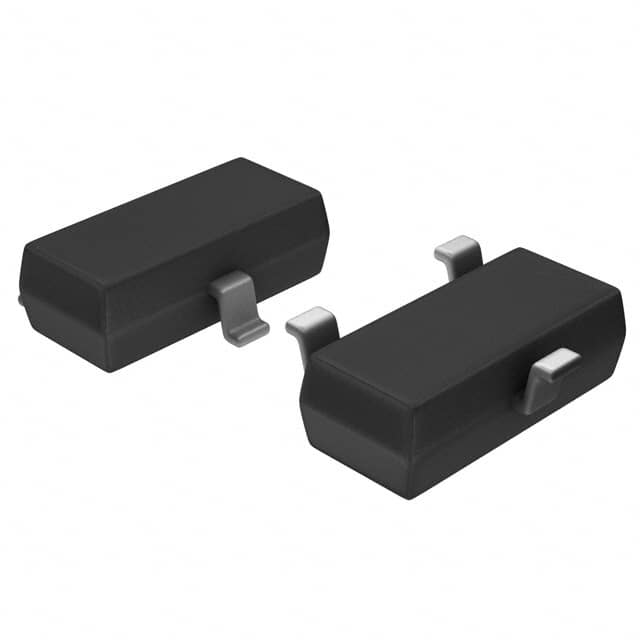
ATSHA204A-SSHDA-T
Microchip Technology
-
-
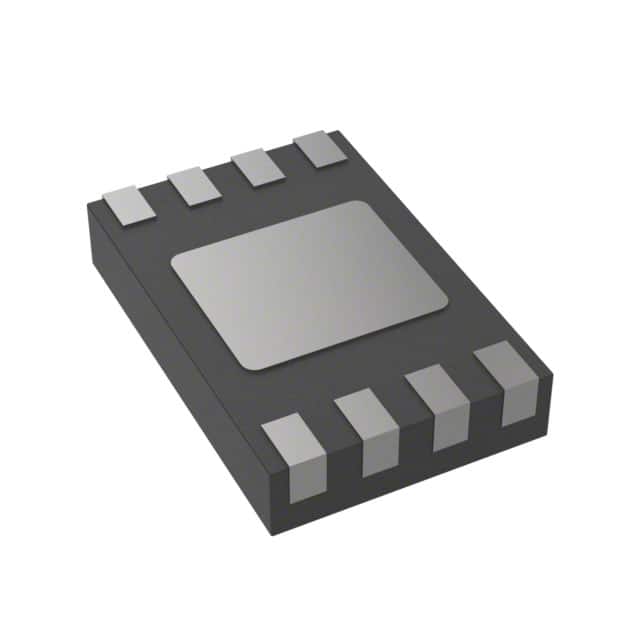
ATSHA204A-STUCZ-T
Microchip Technology
-
-
ATECC608B-MAHDA-T
Microchip Technology
-
-
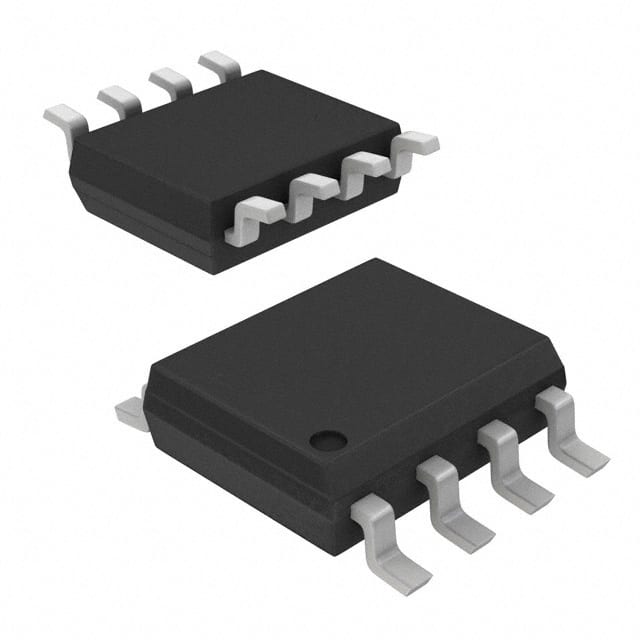
ATECC608B-MAHCZ-S
Microchip Technology
-
-
ATECC608B-SSHDA-T
Microchip Technology
-
-
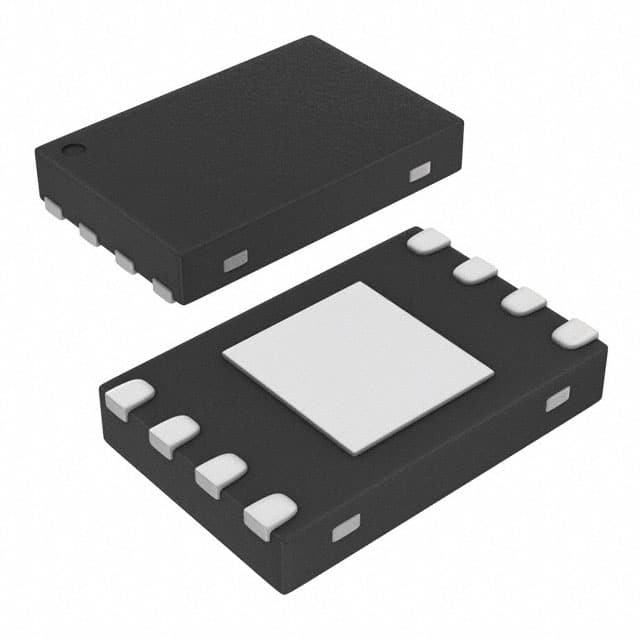
ATECC608B-MAHDA-S
Microchip Technology
-
-
ATECC608A-MAHDA-S
Microchip Technology
-
-
ATECC608B-MAVDA-T
Microchip Technology
-
-
ATECC608A-SSHDA-T
Microchip Technology
-
-
ATECC508A-MAHDA-T
Microchip Technology
ATSHA204A-MAHDA-T Sourcing & Technical Support
ATSHA204A-MAHDA-T is supplied by Microchip Technology. This page provides key purchasing information including manufacturer, package, datasheet, stock reference, price reference and RFQ support.
As your reliable partner for semiconductor solutions, Flychip supports customers from research and development to mass production with electronic component supply, BOM sourcing, PCB, SMT and PCBA solutions.
Our sourcing partners include international chip manufacturers and well-known distributors. With rich experience in channel management, quality control and sales management, Flychip helps customers accelerate product development and delivery.
- Part Number
- ATSHA204A-MAHDA-T
- Manufacturer
- Microchip Technology
- Package
- 8-UFDFN Exposed Pad
- Category
- Specialized ICs
Inventory40,706
| Qty. | Unit Price | Ext. Price |
| 1+ | $2.410800 | $2.410800 |
| 25+ | $2.371768 | $59.294200 |
Quick RFQ Send your inquiry and our sales team will respond quickly.
Tips
Please check your information and try again.